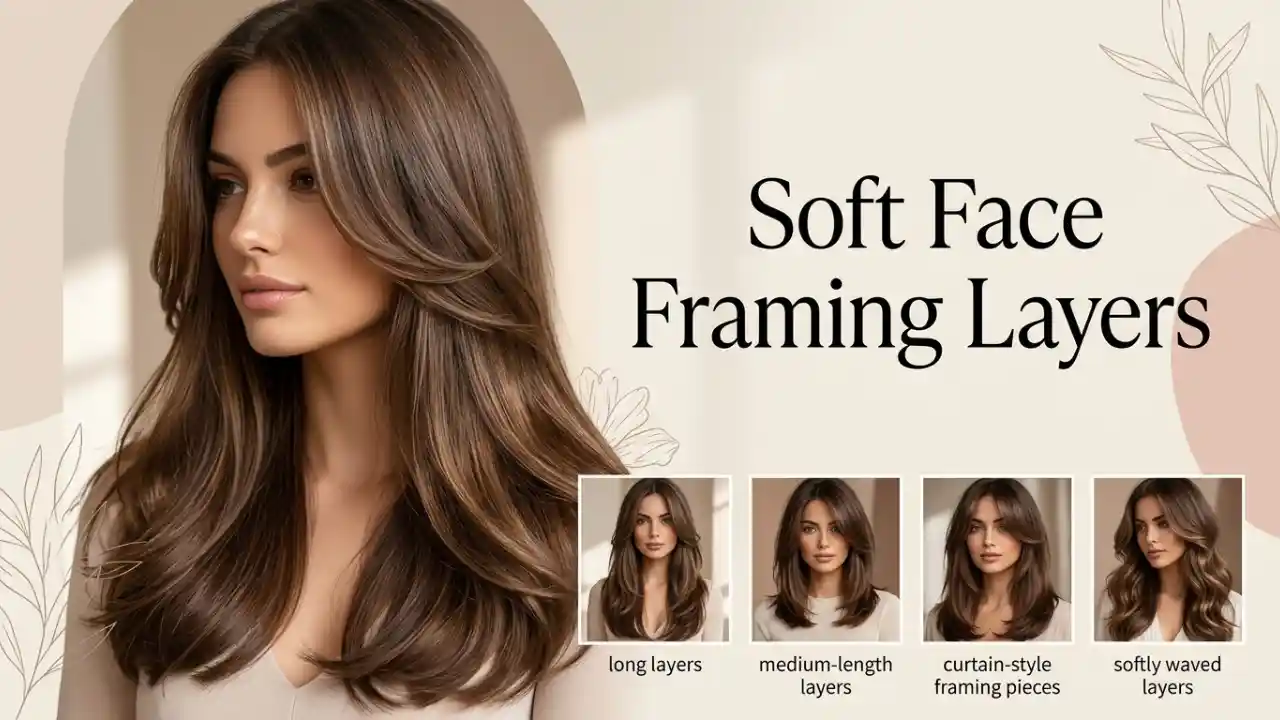
24 Soft Face Framing Layers You’ll Want to Try Today
The right layers can change your entire look without taking away the length you love.
Want softer features, more movement, and a haircut that feels effortlessly polished?
Soft Face Framing Layers offer an easy way to refresh your hairstyle while keeping it natural, wearable, and versatile. This collection brings together 24 flattering ideas designed to work with different lengths, textures, and styling preferences. From delicate cheekbone pieces to flowing butterfly layers, each option creates a slightly different effect around the face.
These cuts by Styles Edit can help soften heavy-looking hair, add movement to flat sections, or simply make long and medium-length styles feel more intentional. In my experience, the most successful face-framing layers are the ones that match your natural texture and daily routine. That makes them easier to style and more enjoyable to wear.
1. Long Curtain Layers
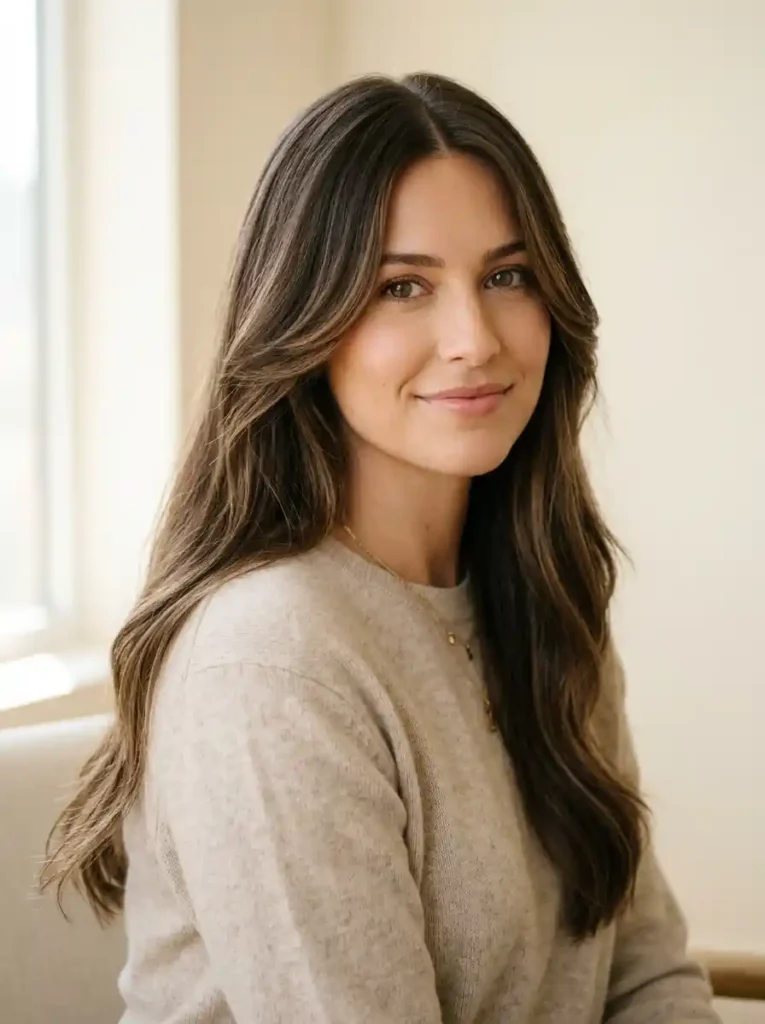
- Opens the face while keeping plenty of length.
- Softens the cheekbones with natural movement.
- Works beautifully with straight or lightly wavy hair.
- Easy to refresh with a round brush.
Want a softer look without losing your hair’s natural movement? Long curtain layers create gentle pieces around the cheekbones that open the face while keeping the rest of the haircut flowing. This shape works especially well on medium to long hair because the shortest pieces add definition without making the ends feel thin. In my experience, a subtle center part helps these layers fall naturally on both sides, reducing the need for heavy styling. A quick round-brush pass can polish the front pieces, making this look practical for workdays, dinners, and relaxed weekends.
The beauty of curtain layers is their versatility when your styling routine changes from day to day. Wear them smooth for a polished finish, add loose waves for softness, or tuck one side behind your ear for an effortless shape. The shorter pieces can visually highlight the eyes and cheekbones while maintaining enough length to frame the jaw gently. For naturally wavy hair, I’ve noticed that air-drying with a lightweight styling cream often gives the front layers enough definition without creating stiffness. This makes the cut especially useful for busy mornings when you want movement with minimal effort.
2. Cheekbone Framing
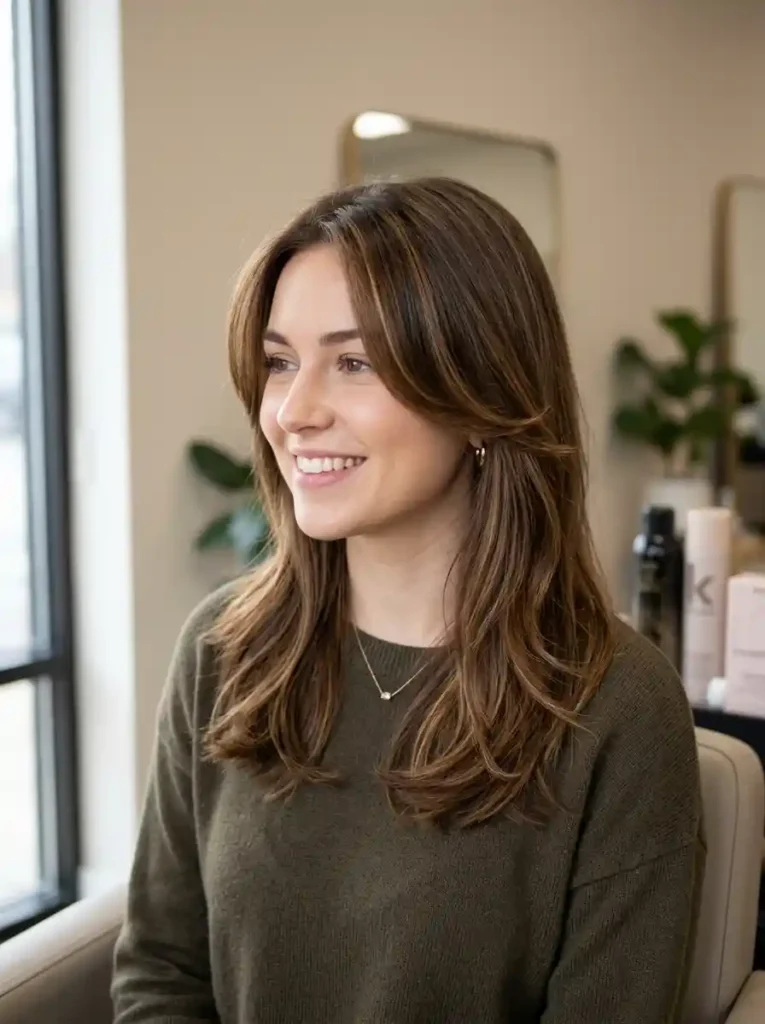
- Draws attention toward the eyes and cheekbones.
- Adds movement around the front without heavy bangs.
- Keeps longer lengths looking natural and balanced.
- Works well with several everyday styling methods.
A few carefully placed cheekbone layers can make a haircut feel instantly lighter and more expressive. These shorter pieces sit near the widest point of the face, creating a gentle transition from the fringe area into the longer lengths. They work beautifully with straight, slightly wavy, or softly blown-out hair, so you can change your finish without losing the shape. If your hair tends to look flat around the front, this placement can also add movement where it matters most. A soft, blended finish keeps the result natural rather than making the layers look sharply cut.
Styling cheekbone pieces does not have to mean spending extra time every morning. Use a medium round brush to direct each section slightly away from the face, then allow the ends to curve softly instead of creating a dramatic flip. This technique gives the front a lifted appearance while preserving a relaxed finish through the lengths. I’ve noticed this shape is particularly helpful for people who want more definition around the face but dislike heavy bangs. It also grows out gracefully, because the shorter sections blend naturally into the surrounding layers as they become longer.
3. Jawline Soft Layers
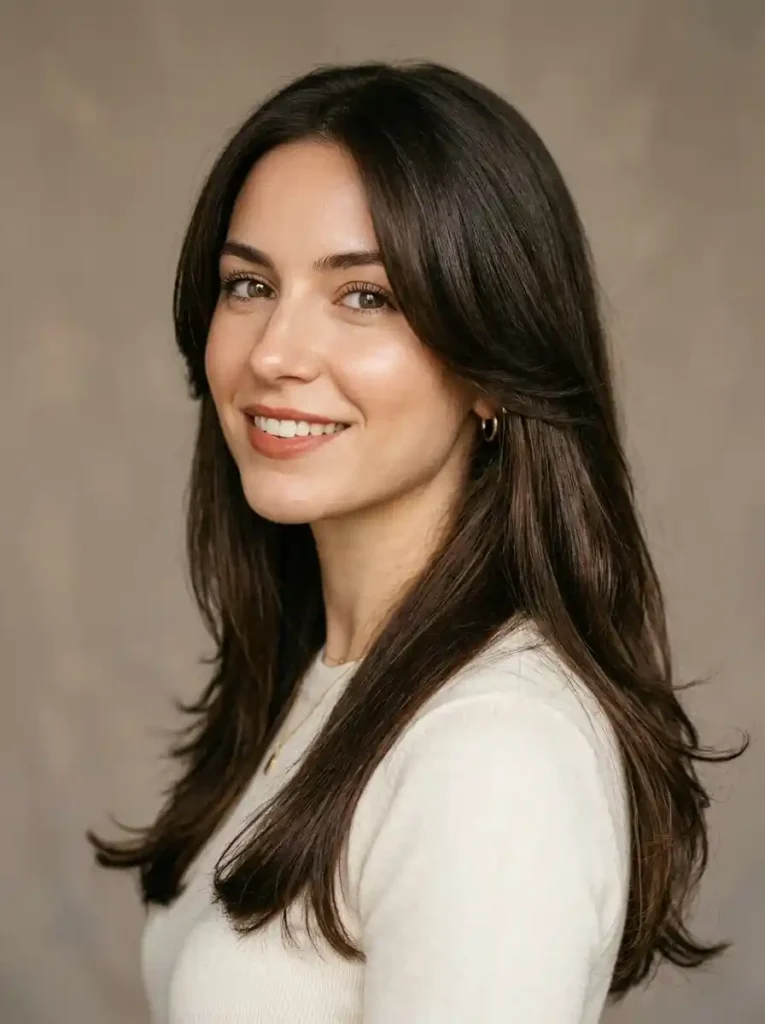
- Defines the lower face without removing much length.
- Helps thick hair feel lighter around the front.
- Preserves fullness through the overall haircut.
- Looks polished with straight or softly waved styling.
Soft jawline layers are ideal when you want facial definition without sacrificing the fullness of longer hair. The pieces begin around the jaw and gradually connect into the rest of the haircut, creating a smooth visual pathway around the lower face. This placement can make thick hair feel lighter near the front while giving fine hair gentle movement without removing too much weight. For everyday styling, a simple blow-dry with the ends turned slightly inward can emphasize the shape. The result looks polished enough for professional settings but relaxed enough for casual days.
This layered shape becomes especially flattering when the ends remain blended rather than heavily thinned. Ask for gradual pieces that connect smoothly from the jaw into your longer lengths, especially if you want an easy grow-out. In my experience, keeping the perimeter relatively full helps the haircut retain a healthy appearance while the face-framing sections provide the movement. You can wear the hair straight to show the clean layering or add loose waves to make the transition softer. It is a practical option for anyone who wants noticeable shape without committing to a major length change.
4. Chin-Length Framing
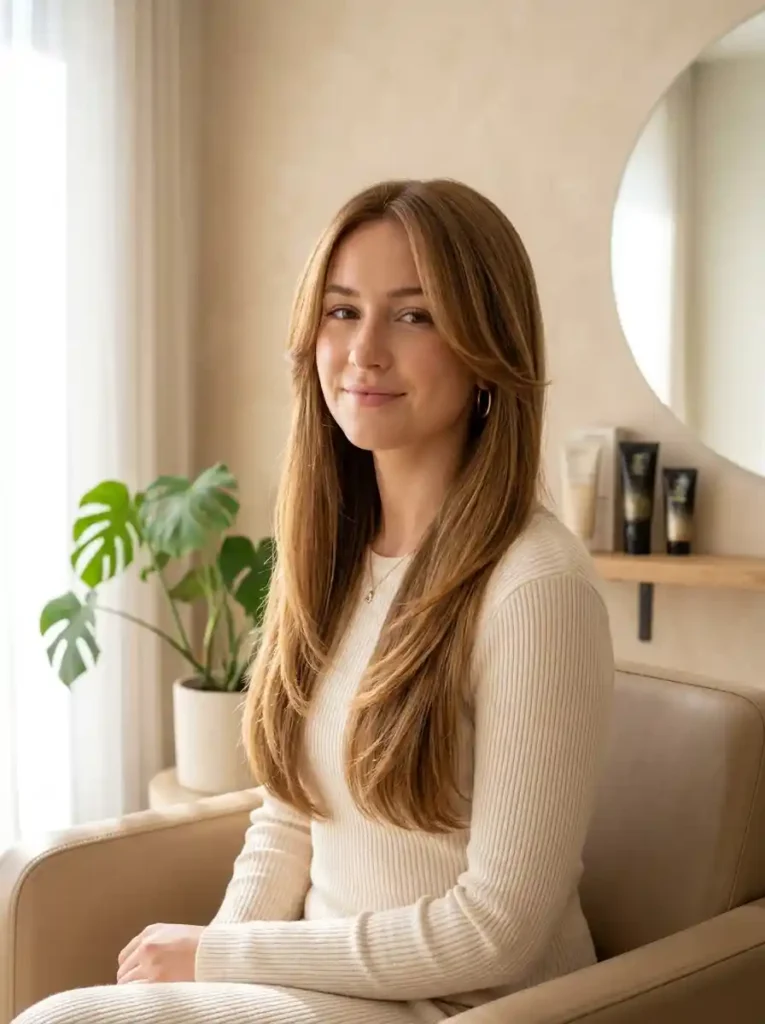
- Creates definition around the lower face.
- Keeps longer hair looking soft and dimensional.
- Helps break up heavy-looking front sections.
- Looks elegant with straight or gently curled styling.
Chin-length framing creates a noticeable shape around the face without turning the haircut into a dramatic layered style. The shorter pieces sit near the chin and gradually disappear into the longer sections, giving the front a smooth, flowing appearance. This placement can be especially helpful when long hair feels heavy or lacks movement around the face. A gentle bend through the ends makes the layers stand out beautifully, while straight styling reveals their clean, intentional shape. The result is polished enough for everyday wear but still relaxed and natural.
For the most flattering finish, the chin-length pieces should blend gradually rather than ending abruptly. That small detail makes a major difference when you move your hair, tuck it behind your ears, or pull it into a loose ponytail. I’ve noticed this shape works particularly well for people who want visible framing without committing to bangs. A lightweight smoothing cream can control flyaways while keeping the front pieces flexible. You can also use a round brush to curve the ends slightly inward, creating soft definition that looks effortless rather than overly styled.
5. Wispy Front Layers
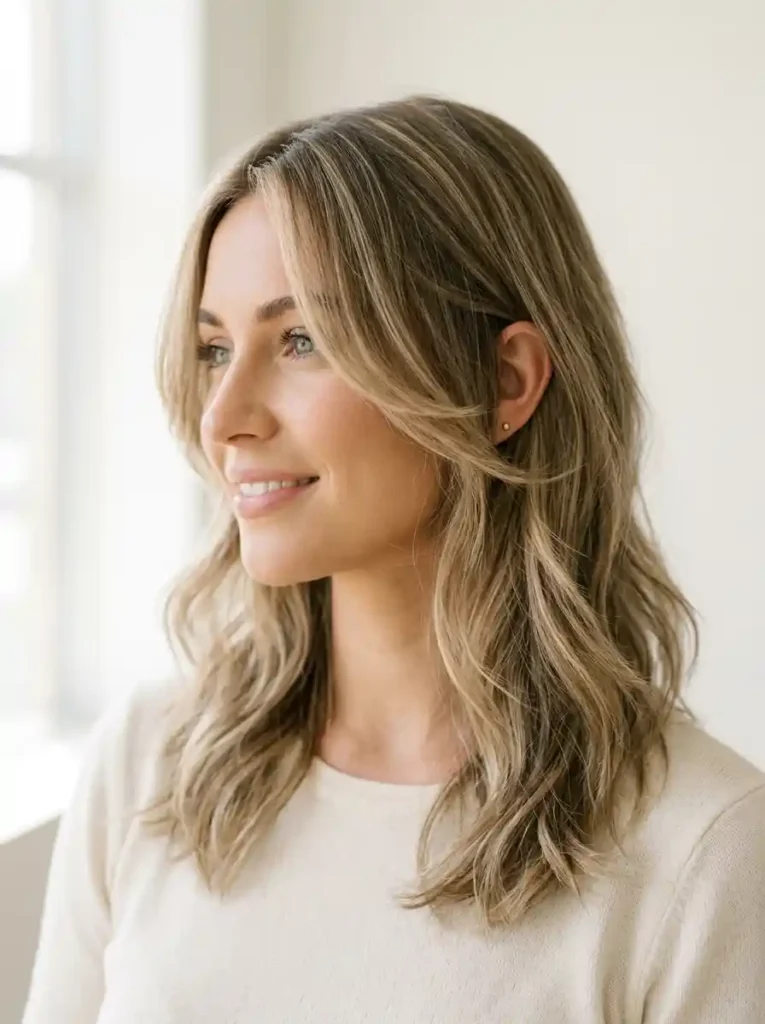
- Adds softness without creating heavy visible layers.
- Helps fine hair gain gentle movement around the face.
- Creates an airy, lightweight appearance.
- Easy to style with minimal heat.
Wispy front layers are perfect when you want your haircut to feel lighter, softer, and more effortless around the face. The delicate pieces create movement without removing too much density from the rest of your hair. This makes them especially useful for fine or medium hair that can lose fullness when heavily layered. The feathered ends blend gently into surrounding strands, creating a natural transition that looks beautiful when the hair is worn loose. A simple blow-dry or quick pass with a styling brush can bring out the shape.
I’ve noticed wispy layers are easiest to manage when they remain long enough to blend with your natural texture. If the pieces are cut too short, they may require more daily styling than expected. Ask for soft, tapered sections rather than sharply separated layers if you prefer a low-maintenance routine. Air-drying with a lightweight mousse can encourage natural movement, while a small round brush can add polish around the face. This versatile shape works beautifully for casual days, office styling, and special occasions when you want gentle definition without a heavily styled appearance.
6. Long Side Layers
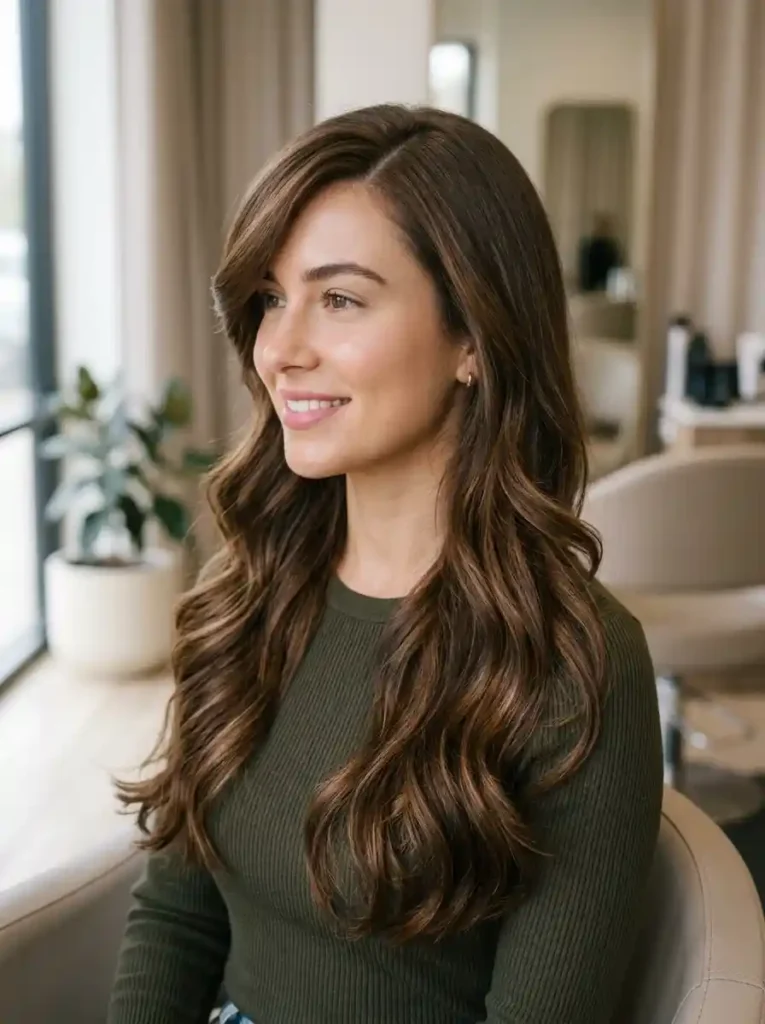
- Creates a flattering shape around the face.
- Works beautifully with a side or deep side part.
- Adds movement without shortening the overall haircut.
- Makes loose waves look more dimensional.
Long side layers create a graceful frame when you prefer a side part instead of the classic center-parted look. The front sections sweep naturally across the forehead and cheek before blending into the longer lengths, giving the hairstyle soft movement and dimension. This placement can be especially flattering when you want to highlight the eyes while gently softening the sides of the face. It also gives long hair more personality without taking away its length, making it a practical choice for anyone who enjoys wearing their hair down.
For everyday styling, direct the front sections away from the face with a round brush and allow them to cool before gently loosening them. This helps the layers hold their shape without creating a stiff or overly curled finish. In my experience, long side layers are particularly versatile because they still look polished when naturally dried and slightly tousled. They also blend easily into ponytails and low buns, leaving a few soft pieces around the face for a relaxed finish that feels intentional without requiring much effort.
7. Feathered Cheek Layers
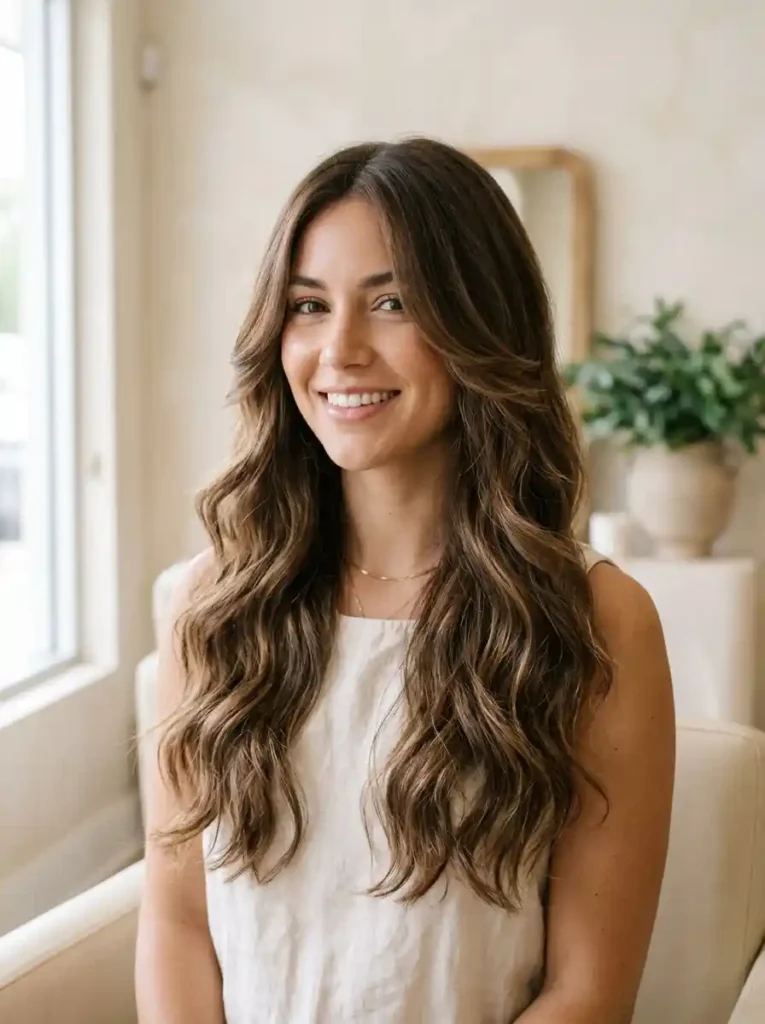
- Adds softness and movement around the cheeks.
- Helps heavy front sections feel lighter.
- Creates an airy, feminine finish.
- Works beautifully with straight or softly wavy hair.
Turn up the softness around your face with feathered cheek layers that move beautifully with every step. These pieces begin slightly below the cheekbones and gradually blend into medium or long lengths, creating a smooth, airy transition. The shape works especially well when your hair feels heavy around the front but you still want to keep its overall fullness. A round brush can curve the layers outward for a polished finish, while loose waves make them look naturally tousled. The result feels feminine, light, and easy enough for everyday styling without requiring complicated techniques.
Feathered cheek layers are especially useful when you want movement that does not look overly structured or freshly cut. The tapered ends soften the transition between shorter pieces and longer hair, helping everything flow together when you move or change your part. I’ve noticed this approach works beautifully on straight and softly wavy textures because the feathering creates visible dimension without demanding constant heat styling. For a quick routine, apply a lightweight volumizing mousse, blow-dry the front away from your face, and finish with a flexible spray. The style works for errands, work, dinners, and special occasions.
8. Eye-Level Layers
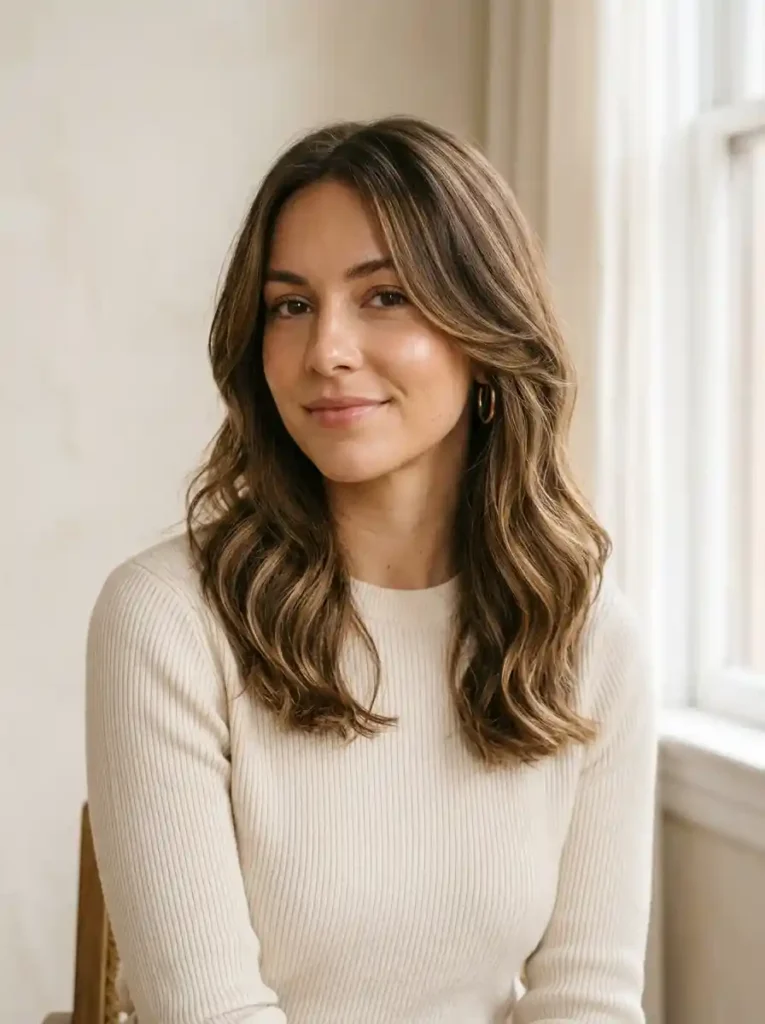
- Draws attention toward the eyes naturally.
- Adds dimension without sacrificing long hair.
- Creates a soft vertical framing effect.
- Looks polished with straight or wavy finishes.
Give long hair a polished refresh with subtle layers that begin around the eyes and flow gradually toward the shoulders. This placement creates a gentle vertical frame, drawing attention upward while keeping the overall length intact. It is especially useful when very long hair feels flat or visually heavy around the face. The shorter pieces can be styled with a round brush for lift or left slightly tousled for an effortless finish. Because the layers remain connected to the longer sections, the haircut still feels full and versatile rather than dramatically chopped or overly feathered.
Eye-level framing can also make everyday styling feel more flexible because the shorter pieces respond well to different partings and textures. Wear them with a center part for balanced symmetry, sweep them slightly sideways for softness, or add loose curls when you want extra movement. In my experience, keeping these layers blended is important because abrupt changes around the eyes can become difficult to manage. A small amount of smoothing cream helps control flyaways while preserving movement. This shape works particularly well for long hair that needs more dimension without giving up its signature length.
9. Collarbone Framing
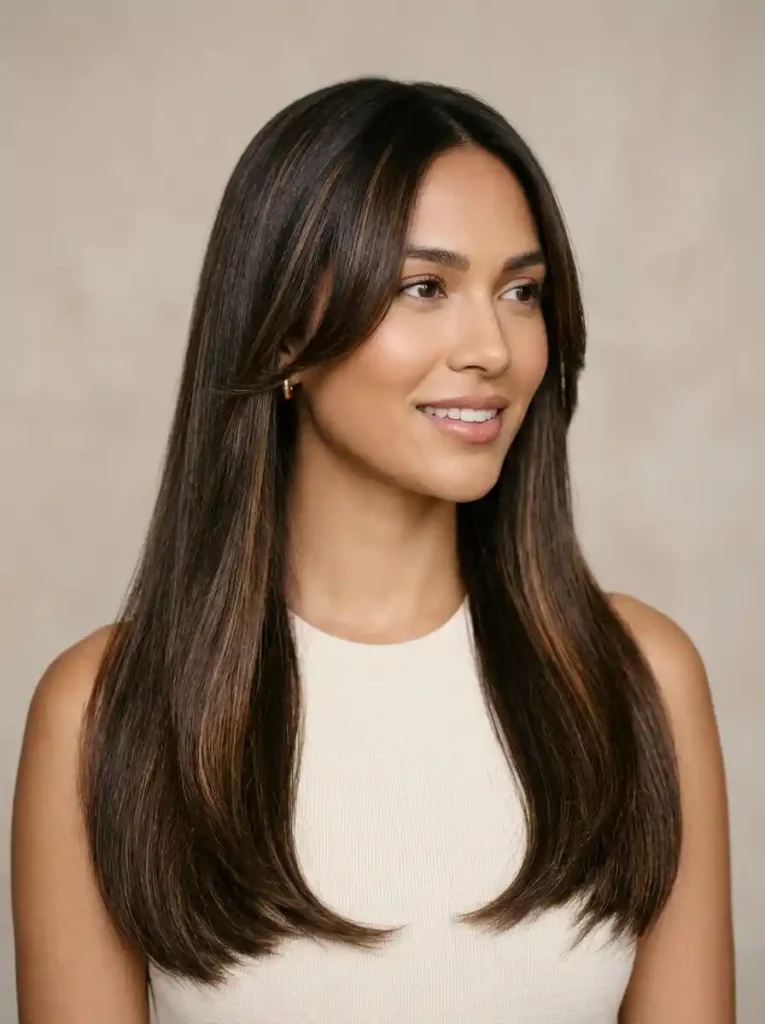
- Creates a balanced frame for medium-length hair.
- Preserves fullness through the ends.
- Adds movement without making layers too short.
- Easy to wear straight, wavy, or lightly curled.
Create a soft, balanced silhouette with layers that begin around the cheek and continue gently toward the collarbone. This placement gives medium-length hair visible movement while preserving enough weight through the ends to keep the haircut looking healthy. It is a practical choice when you want more shape but do not want short pieces sitting heavily around the jaw. The graduated transition makes the hairstyle easy to wear straight, wavy, or lightly curled. A quick blow-dry can smooth the front, while air-drying allows natural texture to create a relaxed, modern finish.
Collarbone framing is particularly helpful for medium-length cuts because it connects the face to the rest of the hairstyle without creating a disconnected appearance. The longer front sections can be tucked behind the ears, brushed forward, or curled away from the face depending on your outfit and occasion. I’ve noticed this length also grows out gracefully because the layers remain long enough to blend naturally. For a polished result, use a lightweight heat protectant before styling and keep the ends soft rather than overly curled. It is versatile enough for workdays, weekends, and events.
10. Soft Face Layers
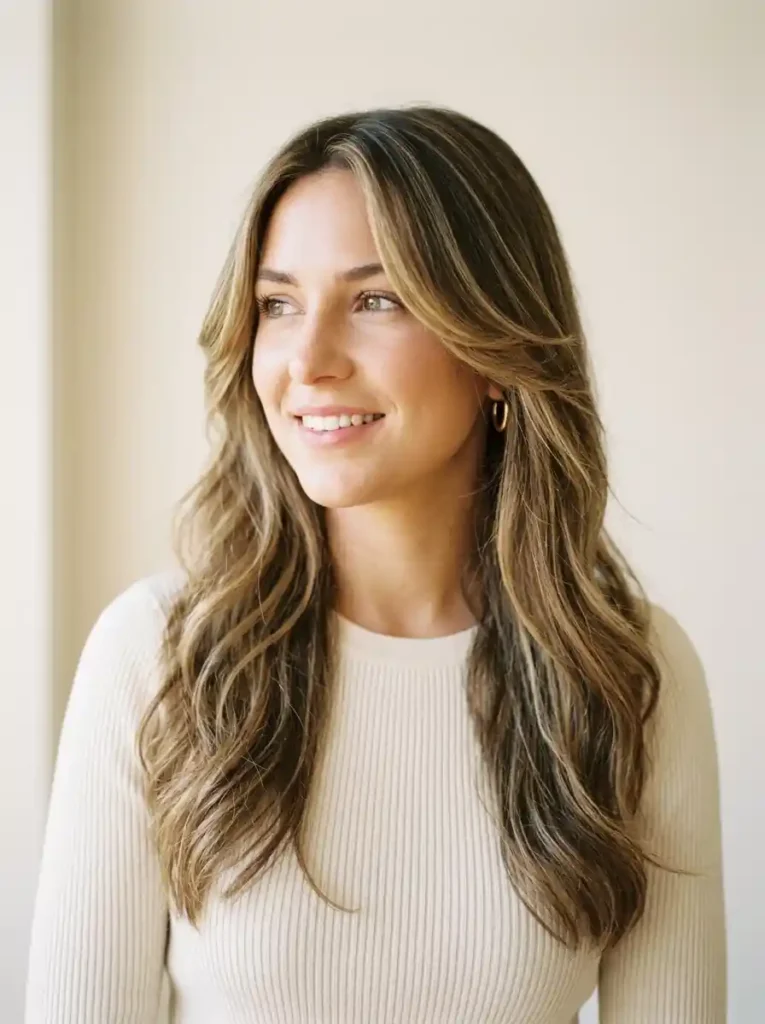
- Creates natural movement without harsh lines.
- Softens the overall appearance of the haircut.
- Keeps the front flexible for multiple styling options.
- Works especially well for everyday wear.
Soft, blended layers can completely refresh a haircut while keeping the overall shape natural and wearable. These pieces gently follow the face rather than creating sharp angles, giving the hairstyle movement that looks effortless from every direction. The technique works especially well when you want a noticeable change without losing much length or fullness. Straight styling reveals the smooth transition, while loose waves make the layers appear even softer. The result is versatile enough for casual mornings, office days, dinners, and occasions when you want your hair to look polished without seeming overly styled.
The key to this look is maintaining a gradual connection between each layer so the front never appears disconnected from the rest of the haircut. In my experience, this makes styling much easier because the pieces naturally fall into place after washing. A lightweight leave-in conditioner can keep the ends smooth, while a round brush adds gentle lift around the face. You can also pin one side back for a quick change. This balanced approach gives you movement, softness, and practical versatility without demanding a complicated daily routine.
11. Blended Shoulder Layers
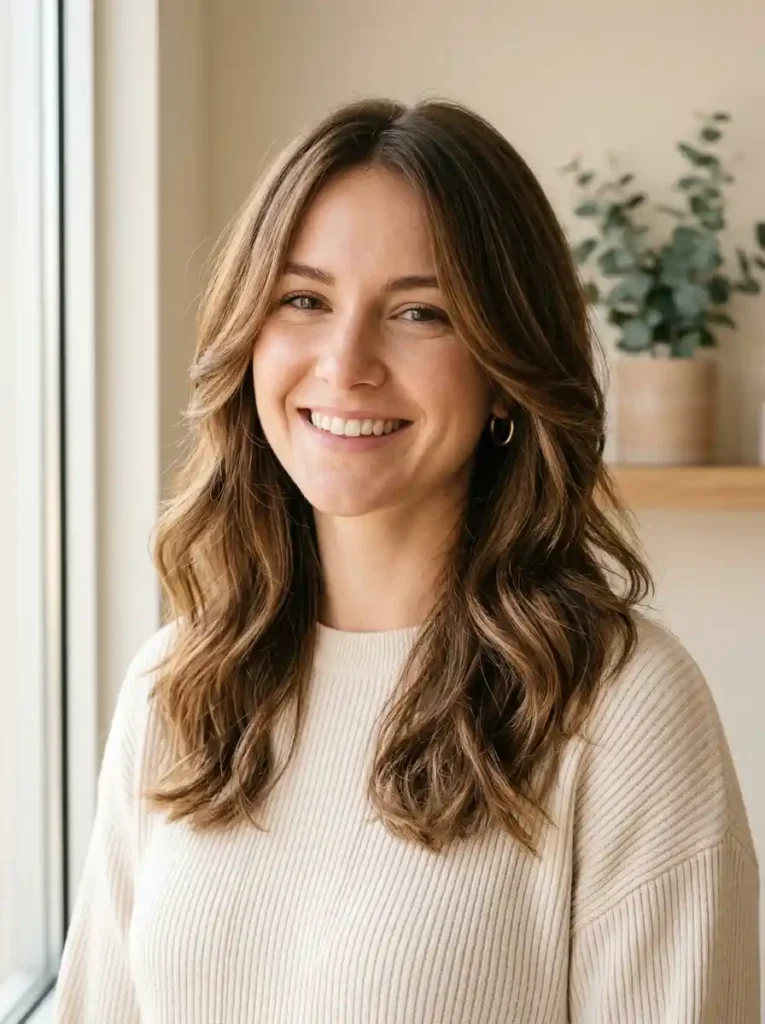
- Adds shape to shoulder-length hair.
- Prevents the haircut from looking boxy or flat.
- Keeps the ends looking full and healthy.
- Gives natural waves more visible movement.
Shoulder-length hair can look beautifully balanced when soft layers create movement around the face and through the ends. This placement prevents the haircut from appearing too blunt while preserving enough density to keep the perimeter looking healthy. The front layers begin gently near the cheeks and flow toward the shoulders, creating a seamless shape that feels modern and effortless. This approach is especially helpful if your hair tends to sit flat after drying. A little texture spray or a few loose bends can reveal the layers without requiring a full styling session.
Blended shoulder layers are also easy to adapt when your plans change throughout the day. Wear the hair smooth for a clean professional look, add loose waves for extra volume, or tuck the front pieces behind your ears for a relaxed finish. I’ve noticed this shape works particularly well on naturally wavy hair because the layers encourage texture to form without looking bulky. Use heat protectant whenever you style with hot tools, and avoid overworking the ends. The result is a practical haircut with softness, movement, and everyday versatility.
12. Layered Curtain Fringe
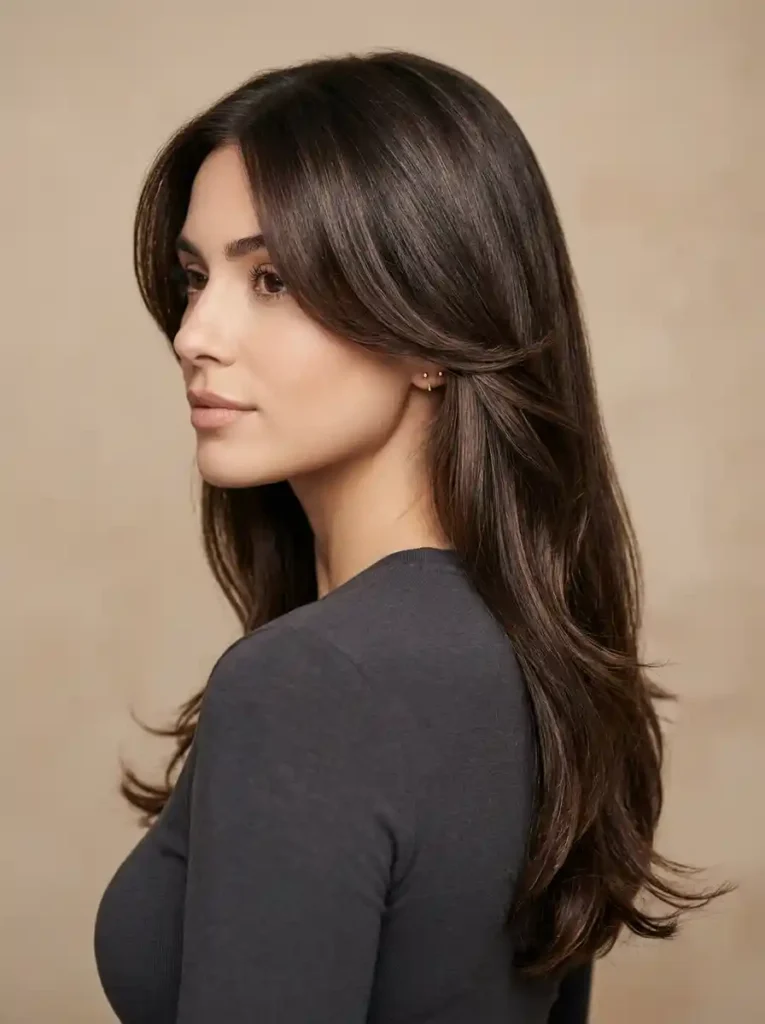
- Creates a soft frame without a heavy fringe.
- Opens the face around the eyes and cheekbones.
- Blends naturally into longer layered hair.
- Works beautifully with loose waves or smooth styling.
A softly parted curtain fringe can transform long hair by adding shape around the forehead while keeping the overall look light. The center-split pieces gradually connect with the cheekbone and jaw layers, creating one continuous frame instead of a harsh fringe line. This design works particularly well when you want some coverage near the forehead but still prefer the flexibility of moving your hair away from your face. A round brush can add gentle lift, while natural texture keeps the result relaxed and effortless.
The best part is how easily this fringe adapts to different styling routines. Wear it parted evenly for a balanced appearance, shift the part slightly for extra volume, or sweep both sides outward to create a soft, airy finish. In my experience, keeping the shortest point long enough to blend into the surrounding layers makes the style much easier to maintain. A lightweight styling cream can reduce frizz without flattening the roots. This makes the look practical for everyday wear while still feeling polished enough for dinners, events, and photos.
13. Swooping Face Layers
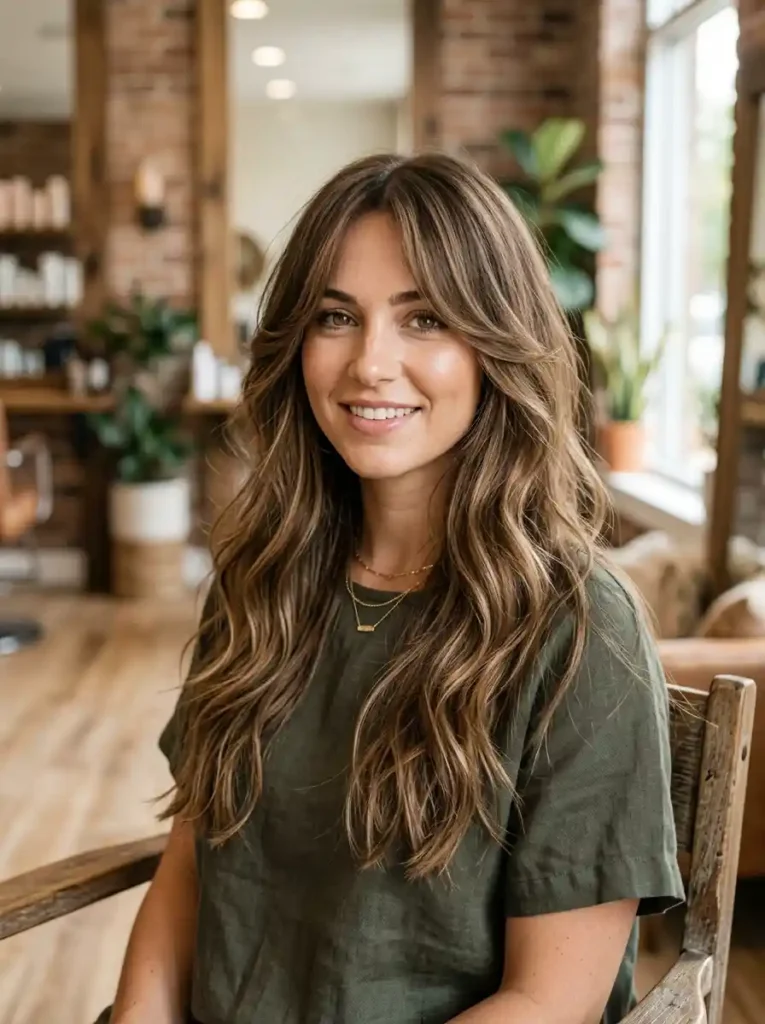
- Adds elegant movement around the face.
- Creates a flattering sweeping silhouette.
- Works especially well with side parts.
- Keeps long hair looking full and polished.
Swooping face layers create graceful movement by directing the shorter front pieces gently away from the face. Instead of sitting flat against the cheeks, the layers curve outward and blend into longer lengths, creating an elegant shape that feels polished without looking overly styled. This technique works especially well on medium to long hair and can make a simple haircut appear more dimensional. A smooth blowout emphasizes the sweeping curve, while loose waves give the same layers a softer, more casual personality.
For the easiest styling routine, use a round brush to lift the front section away from your face while directing the ends backward. Allow the hair to cool before brushing through it gently, which helps the curve hold without looking stiff. I’ve noticed this shape is especially flattering when paired with a side part because the longer sweep creates natural volume near the crown. It also works beautifully for special occasions when you want a polished silhouette without adding elaborate curls or complicated accessories.
14. Mid-Length Face Layers
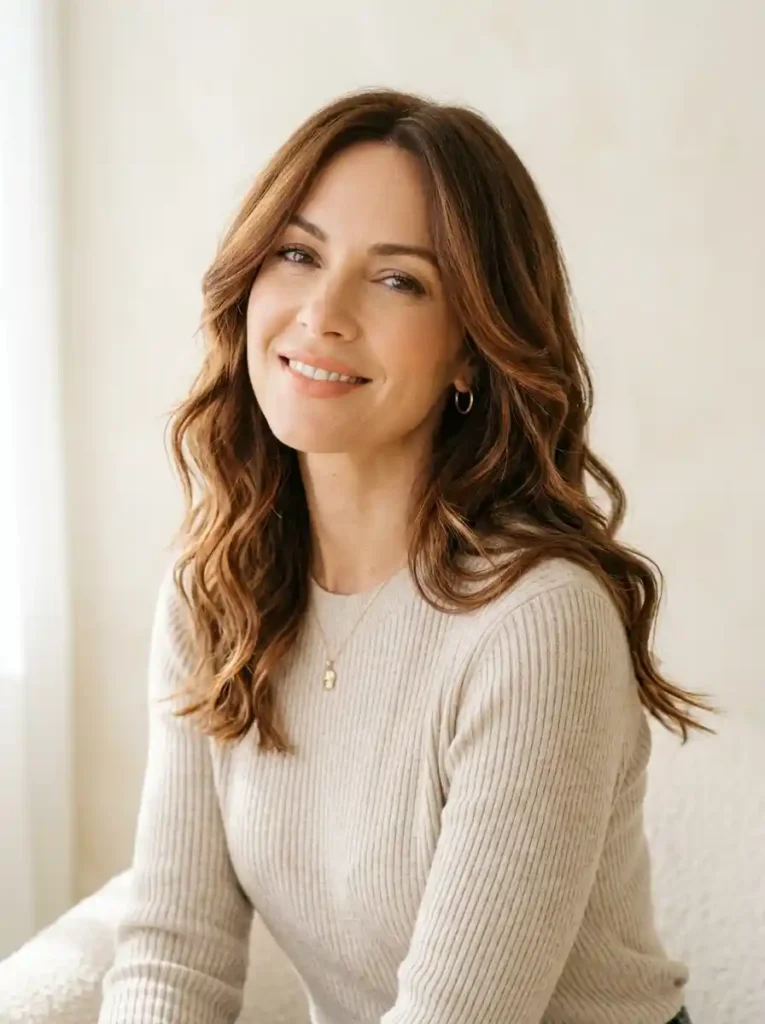
- Adds movement without dramatically shortening the haircut.
- Helps medium-length hair look more dimensional.
- Creates gentle definition around the cheeks.
- Easy to style with waves or a smooth blowout.
Mid-length face layers are a practical choice when you want noticeable shape without making a dramatic change to your haircut. The shorter pieces begin around the cheeks and gradually connect with the collarbone-length sections, creating a smooth transition that keeps the hairstyle balanced. This placement gives medium hair more movement while preserving enough weight through the ends. It is especially useful for hair that looks flat when worn straight because the layers create subtle dimension around the face without making the overall haircut appear thin.
You can easily change the personality of these layers depending on how you style them. A sleek blowout makes the shape look polished and structured, while loose waves soften the edges and create a more relaxed finish. I’ve noticed that medium-length layers are also easy to manage between salon appointments because the pieces continue blending as they grow. Use a heat protectant before using hot tools, then finish with a small amount of lightweight serum on the ends. The result is versatile, wearable, and easy to personalize.
15. Soft Layered Bob
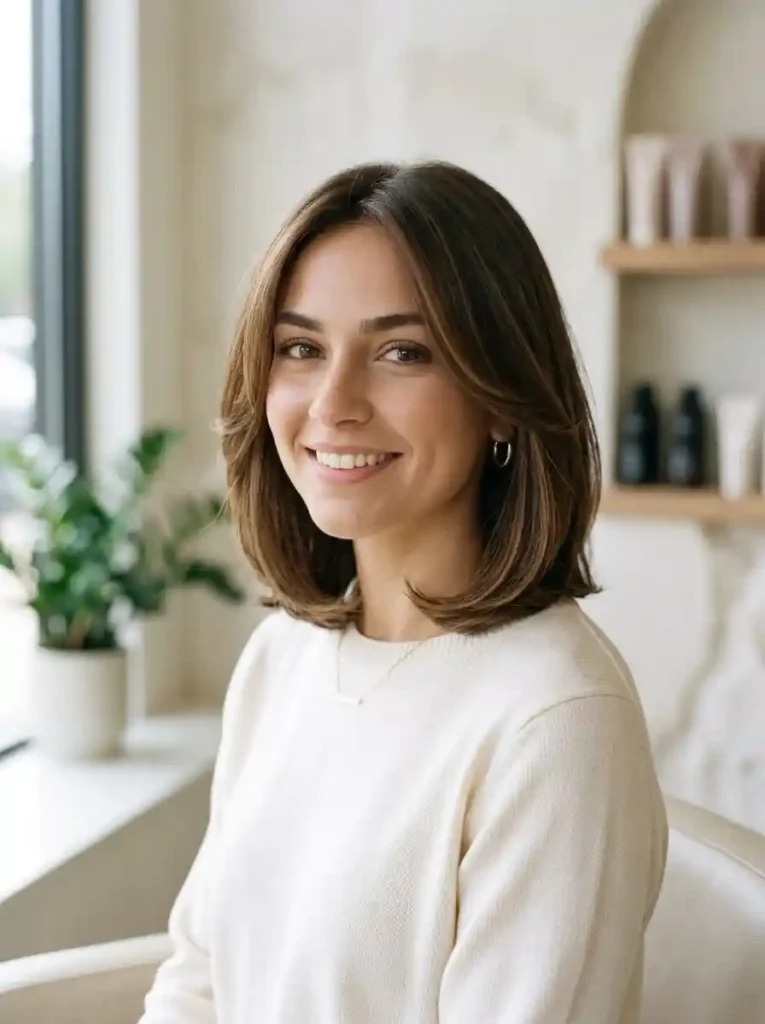
- Gives a classic bob a softer silhouette.
- Adds movement around the cheekbones.
- Helps prevent a blunt shape from feeling too severe.
- Works well with straight or softly tousled texture.
A soft layered bob brings gentle movement to a classic short shape without losing the clean structure that makes a bob so timeless. Face-framing pieces begin near the cheekbones and gradually blend into the shorter perimeter, creating softness around the face. This is especially helpful if a blunt bob feels too rigid or heavy. The subtle layers allow the hair to move naturally when you walk, tuck it behind your ear, or add a slight wave. The result feels modern, polished, and surprisingly versatile for everyday styling.
With a shorter haircut, small changes in layer placement can make a noticeable difference, so communication with your stylist matters. In my experience, asking for soft internal movement and blended front pieces helps avoid a choppy appearance. For styling, apply a lightweight smoothing product before blow-drying, then curve the ends slightly with a round brush. You can also leave the texture natural for a relaxed finish. This haircut works beautifully for work, weekends, and special occasions because its clean shape requires relatively little effort to look put together.
16. Long Feathered Layers
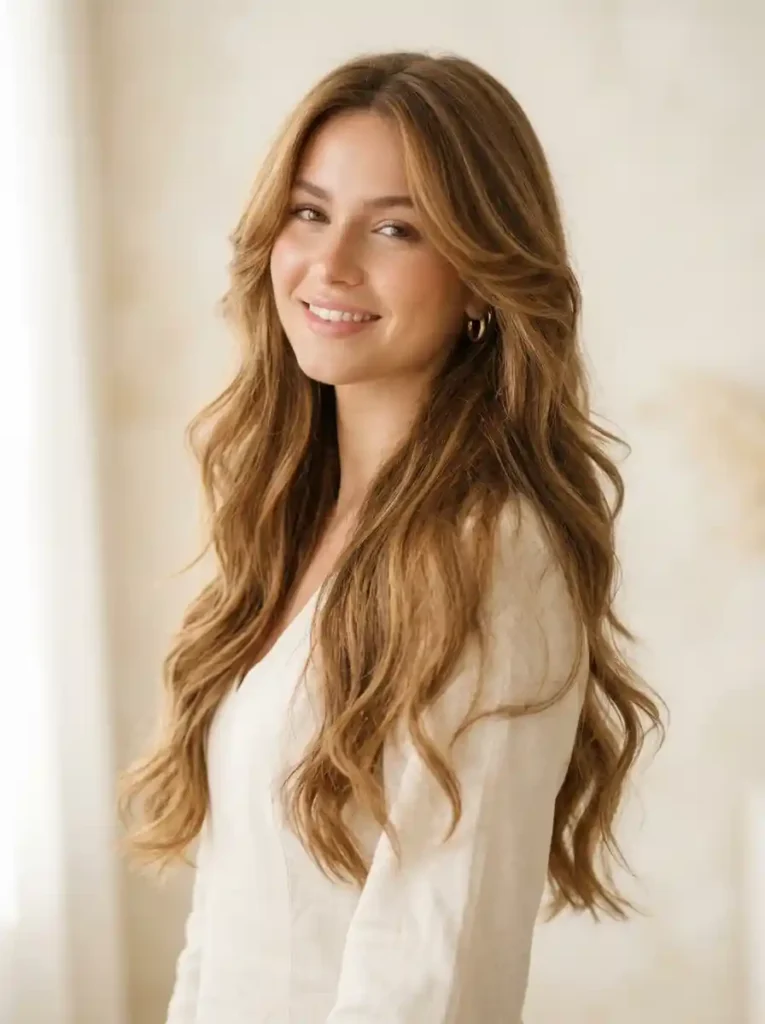
- Creates beautiful movement while preserving long lengths.
- Helps thick hair feel lighter around the face.
- Adds a soft, flowing effect to loose waves.
- Looks especially elegant with a smooth blowout.
Long feathered layers bring dramatic length and soft movement together, making them a beautiful choice when your hair feels heavy or visually flat. The layers begin around the cheekbones and gradually sweep into the longer lengths, creating a flowing frame that moves naturally as you walk. This shape works especially well on medium to thick hair because the feathering can remove some front weight without making the ends look sparse. A smooth blowout highlights the shape, while loose waves give the layers an airy, relaxed finish that feels effortless and feminine.
For everyday styling, direct the shorter sections away from your face with a round brush, then gently brush through the lengths once they cool. I’ve noticed feathered layers look best when the transitions remain soft and blended, rather than sharply separated. A lightweight smoothing serum can tame flyaways while keeping the ends flexible and touchable. The style also adapts easily to ponytails, half-up looks, and loose buns, with a few front pieces left out for softness. It is a practical option when you want long hair to feel lighter, fuller, and more dynamic.
17. Jawline Feather Layers
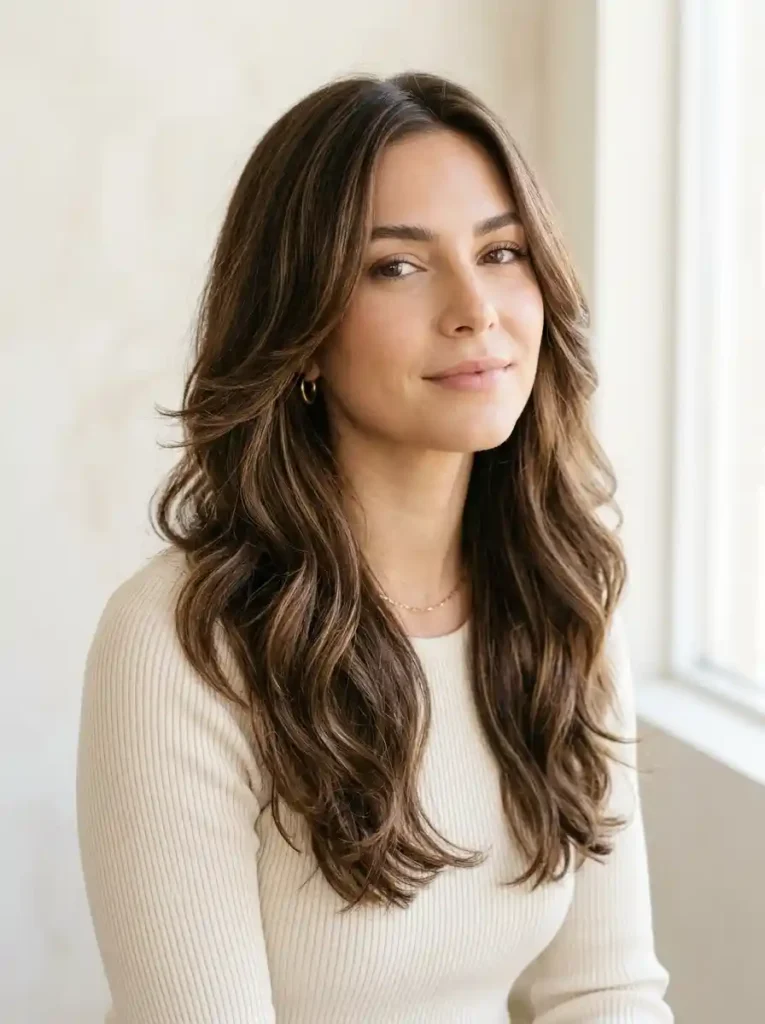
- Softens the lower face with feathered movement.
- Keeps the overall haircut looking full.
- Adds shape without creating harsh lines.
- Works beautifully with natural waves or blowouts.
Jawline feather layers create a beautifully balanced frame when you want definition without sacrificing the fullness of longer hair. The shortest pieces sit around the jaw and gradually sweep into the surrounding lengths, creating a soft transition that moves naturally with the hair. This placement can make a heavy front section feel lighter while keeping the ends looking substantial. A smooth blowout emphasizes the feathered shape, while loose waves create extra softness and texture. The result feels polished, feminine, and easy to adapt for everyday styling.
The key is keeping the feathering blended so the shorter sections never look disconnected from the rest of the haircut. In my experience, slightly curved ends make this style especially flattering because they follow the natural contours of the face. Use a round brush to direct the front pieces away from the jaw, or let them air-dry naturally if your hair already has movement. A lightweight styling cream can help control frizz while preserving softness. This shape works well for office days, casual outings, dinners, and occasions when you want effortless facial definition.
18. Cheekbone Curtain Layers
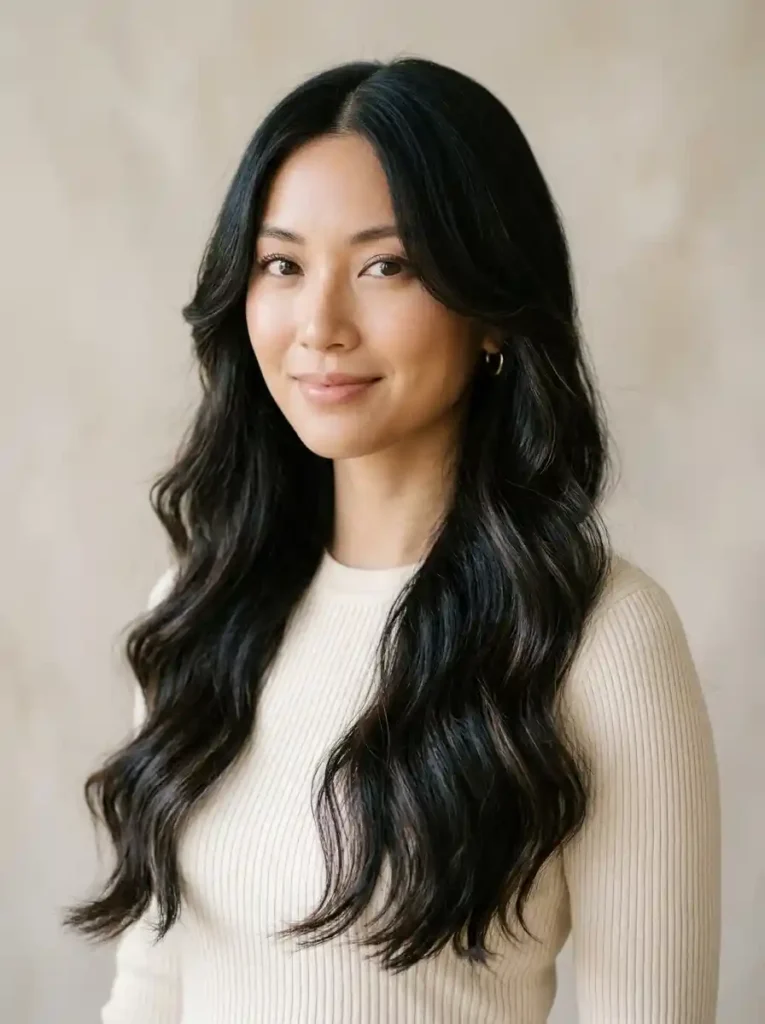
- Highlights the cheekbones without creating heavy bangs.
- Opens the center of the face beautifully.
- Adds softness to long, straight, or wavy hair.
- Easy to refresh with a round brush.
Cheekbone curtain layers offer a graceful way to frame the face while keeping the hairstyle flexible and lightweight. The center-parted pieces begin around the cheekbones and sweep outward before blending into longer lengths, creating a soft opening around the eyes and upper face. This placement works particularly well when you want more movement but do not want a traditional fringe. Straight hair shows the clean layered transition, while loose waves make the frame appear softer and more romantic. The overall effect is polished without feeling overly structured.
For a natural finish, style each front section away from the face using a medium round brush and allow it to cool before loosening the shape. I’ve noticed that this simple technique helps the layers fall into place throughout the day instead of collapsing against the cheeks. If you prefer low-maintenance styling, a lightweight mousse can encourage natural movement as the hair dries. These layers also transition nicely into ponytails and half-up hairstyles, leaving a few delicate pieces around the face for an effortless finish that works across casual and dressier occasions.
19. Wispy Chin Layers
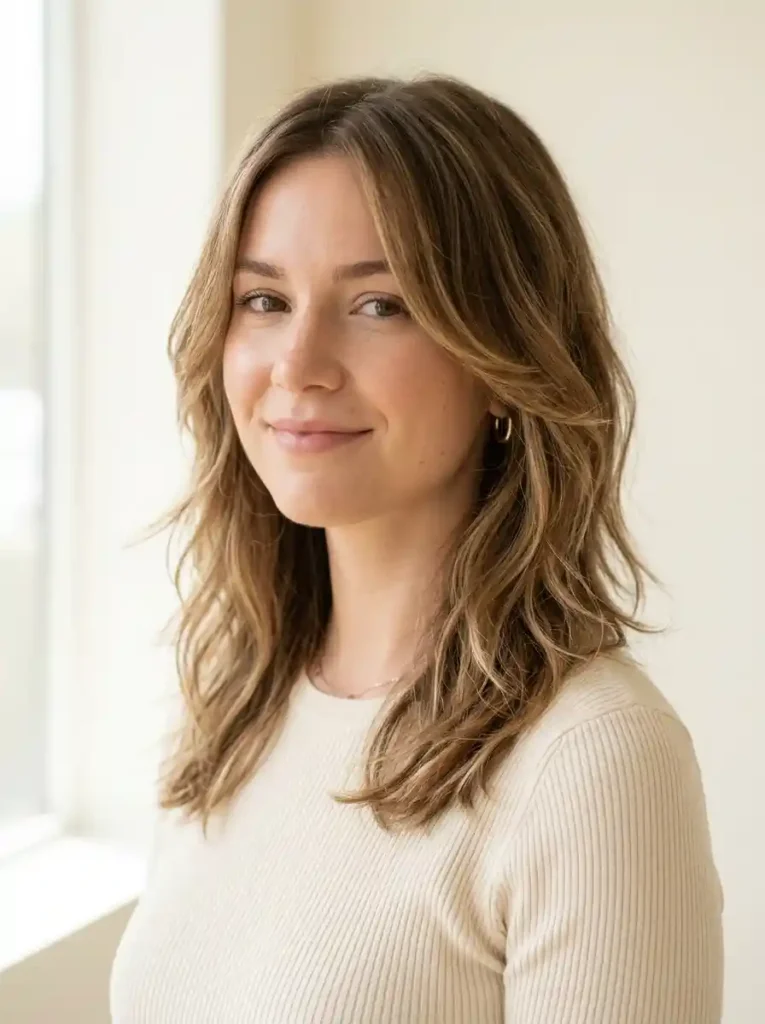
- Adds movement around the lower face.
- Keeps medium-length hair from looking too heavy.
- Creates an airy finish for fine or medium textures.
- Looks lovely with softly tousled styling.
Wispy chin layers can give medium-length hair a softer silhouette without taking away its natural fullness. The delicate pieces begin around the chin and gradually disappear into the longer sections, creating a lightweight transition that frames the lower face beautifully. This approach is especially useful when the front of the haircut feels too solid or heavy. A softly tousled finish makes the wispy ends look airy and natural, while a smooth blowout gives them a cleaner, more polished appearance for professional or formal settings.
If your hair is fine, ask your stylist to keep the perimeter relatively full while adding only subtle wisps around the face. That balance prevents the haircut from appearing thinner than it actually is. In my experience, lightweight products work better than heavy creams for this style because they preserve the delicate movement. A small amount of mousse or texturizing spray can add definition without weighing down the front. The result is an easygoing frame that looks fresh after styling and continues to blend naturally as the layers grow.
20. Face-Framing Shag
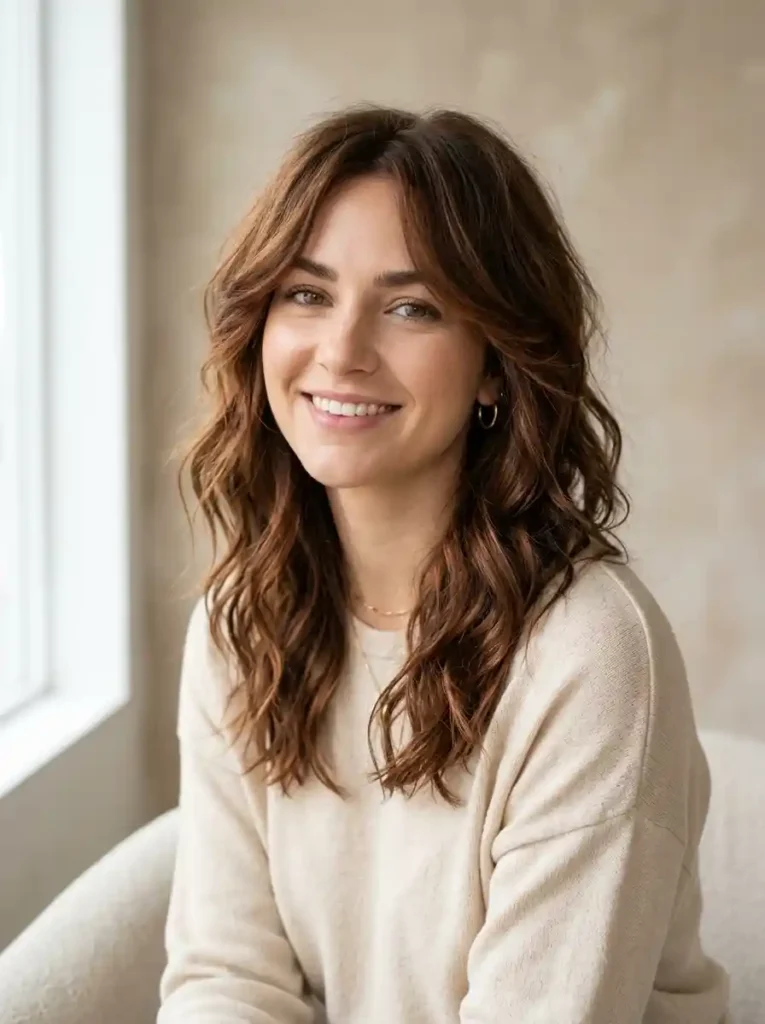
- Adds texture and movement throughout the haircut.
- Creates a relaxed, modern face frame.
- Works beautifully with naturally wavy textures.
- Gives flatter hair more visible dimension.
A softly layered shag brings texture, movement, and personality to face-framing hair without requiring a perfectly polished finish. The shorter pieces around the eyes, cheeks, and jaw create a graduated frame that connects naturally with textured lengths. This style is especially appealing if your hair already has waves because the layers encourage natural bends and volume. Instead of forcing every strand into place, the haircut works with your texture, making it easier to achieve that intentionally undone appearance that feels modern and relaxed.
For styling, apply a lightweight mousse or curl-enhancing cream to damp hair, then scrunch gently and allow it to air-dry or use a diffuser on low heat. I’ve noticed shag-inspired layers look better when they retain some natural irregularity, so avoid brushing them excessively after drying. If your hair is straight, a few loose bends from a curling wand can recreate the movement. The result is expressive and versatile, making it suitable for casual weekends, concerts, creative workplaces, and anyone who prefers a less polished styling routine.
21. Soft Butterfly Layers
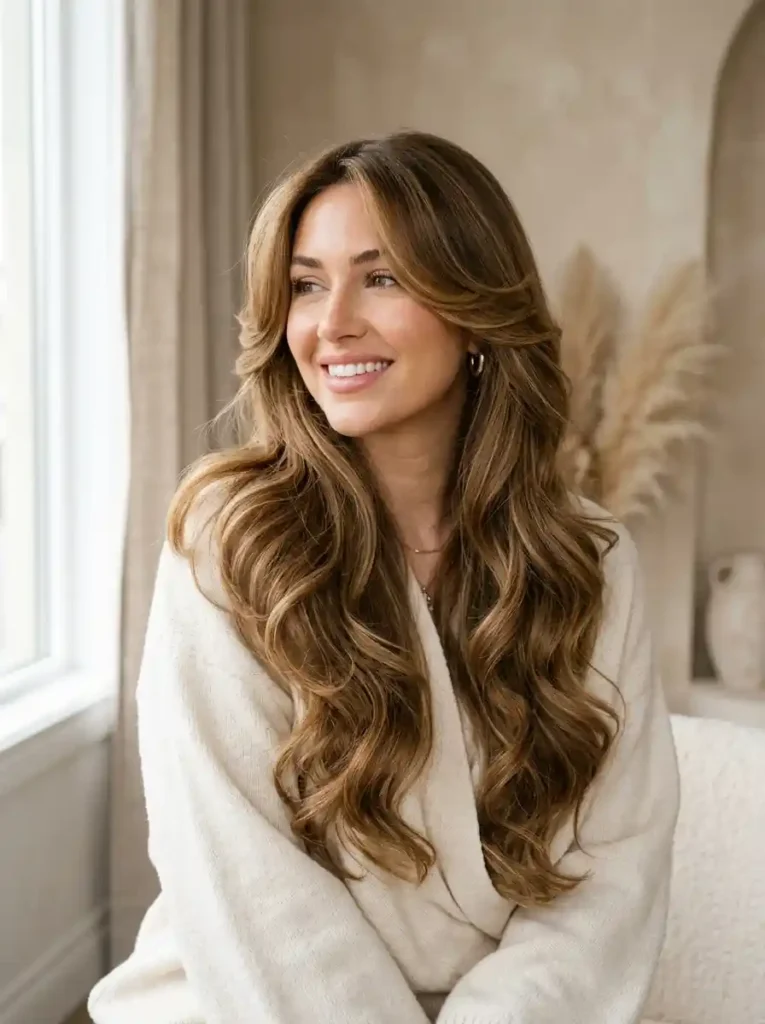
- Creates noticeable volume without sacrificing length.
- Opens the face with sweeping front layers.
- Makes long hair look fuller and more dimensional.
- Beautiful for blowouts and loose waves.
Soft butterfly layers create a fuller, more dramatic shape while keeping the beauty of long hair intact. The shorter front sections sweep outward from the face and blend into progressively longer layers, creating a cascading effect that adds movement from the cheeks through the chest. This style is especially effective when long hair feels flat because the layered structure encourages volume around the face and crown. A round-brush blowout makes the shape especially noticeable, while loose curls create a softer version for everyday wear.
The secret to making butterfly layers practical is choosing lengths that work with your natural texture and styling habits. If you rarely use heat, ask for a softer transition that still looks attractive when air-dried. In my experience, a lightweight volumizing mousse at the roots and a round brush through the front layers can create impressive lift without making the hair feel stiff. The finished look works beautifully for photos, celebrations, dinners, and everyday styling when you want long hair to feel fuller, bouncier, and more polished.
22. Soft Collarbone Layers
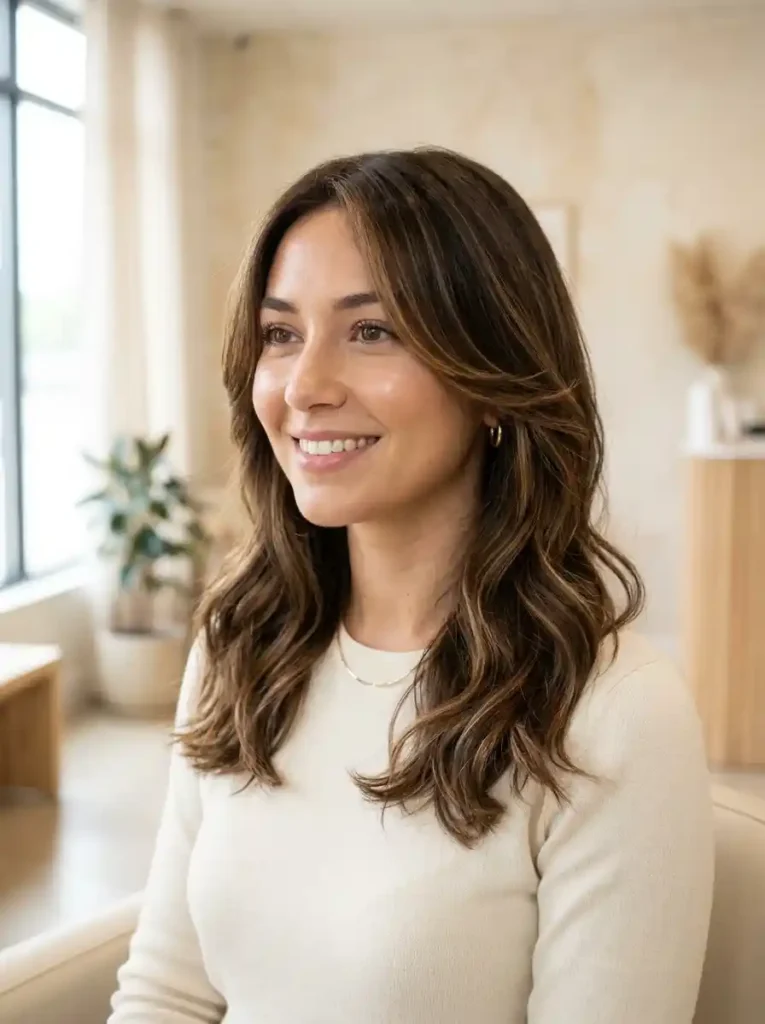
- Adds movement while preserving a fuller perimeter.
- Softens the transition around the cheeks and jaw.
- Works beautifully on medium-length hair.
- Easy to style with waves or a smooth finish.
Give shoulder-grazing hair a graceful refresh with soft layers that flow naturally from the face toward the collarbone. This placement creates movement without making the haircut look overly layered or thin. The front pieces gently open the face, while the longer sections maintain enough weight to keep the ends looking healthy and polished. It is a particularly practical option when you want a visible change but prefer to keep your current length. A simple blowout can emphasize the shape, while loose waves create a softer everyday finish.
Soft collarbone layers are also easy to adapt to different styling routines and occasions. Wear them sleek for a clean professional appearance, add texture for a relaxed weekend look, or pin one side back when you want the face more open. I’ve noticed this length works especially well when the layers are blended gradually, because the haircut remains attractive even several weeks after an appointment. Use a lightweight heat protectant before styling, then finish with a small amount of smoothing serum. The result is balanced, versatile, and naturally flattering.
23. Tapered Face Layers
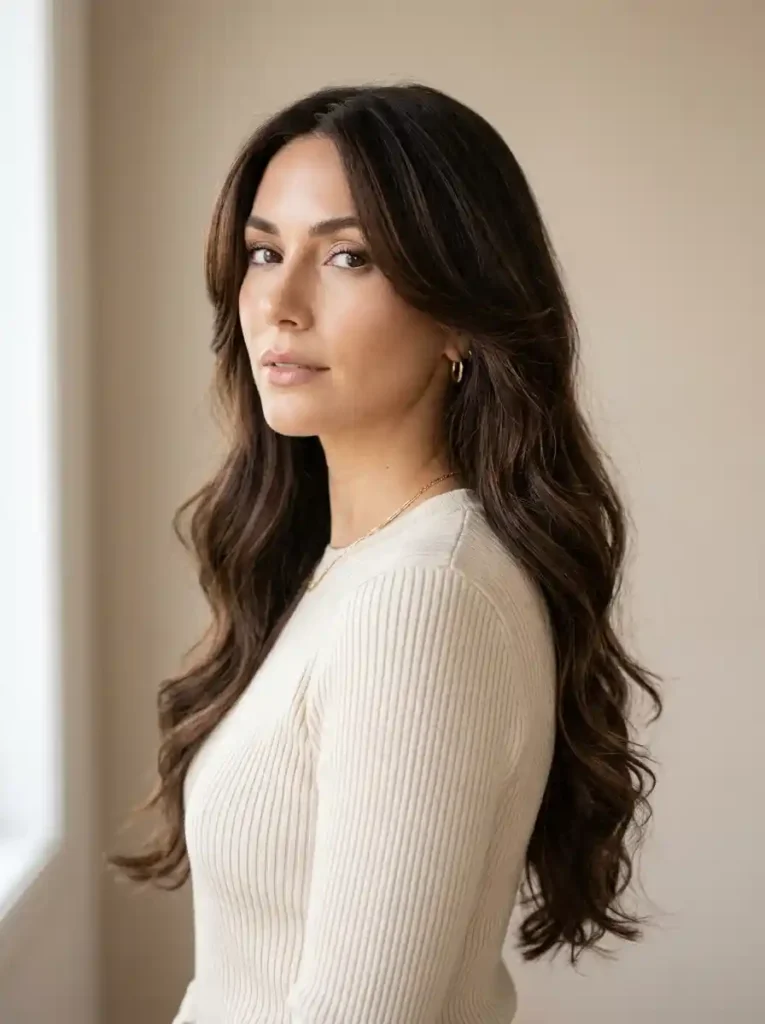
- Creates a smooth, refined frame around the face.
- Helps long hair feel lighter near the front.
- Keeps the transition subtle and natural.
- Works well with straight or wavy textures.
Tapered face layers create a refined shape by gradually narrowing the shorter pieces as they move from the cheekbones toward the jaw. Instead of creating obvious steps, the sections blend smoothly into the longer hair, giving the haircut a soft and continuous appearance. This technique is useful when you want more movement around the face without removing substantial length. Straight hair showcases the clean transition, while waves add softness and make the tapered pieces appear more dimensional. The result feels polished but still natural enough for everyday styling.
When choosing this shape, consider how often you actually style your hair before deciding where the shortest layer should begin. In my experience, keeping the pieces long enough to blend with your natural texture makes the haircut much easier to maintain. A round brush can gently curve the front away from the face, while a lightweight cream can enhance natural waves without weighing them down. The tapered shape also works well with ponytails and half-up styles because the front pieces can remain loose for softness. It is a versatile choice for polished, low-effort styling.
24. Soft U-Shape Layers
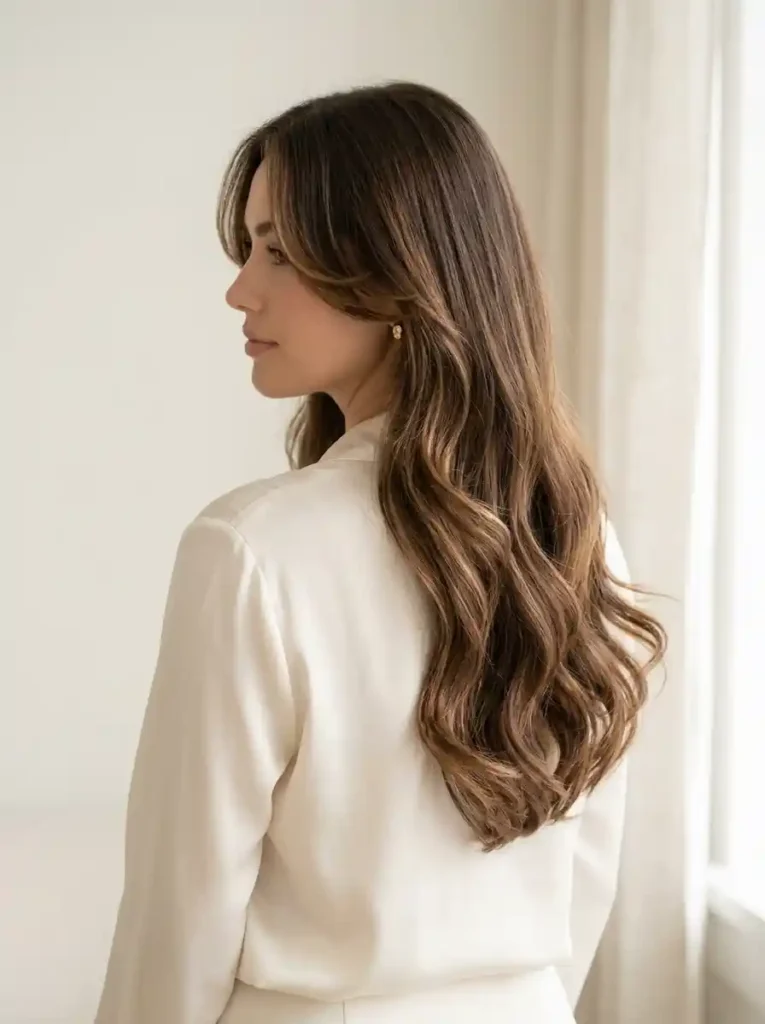
- Maintains length while adding graceful movement.
- Creates a softer silhouette through the ends.
- Helps long hair look fuller and more dimensional.
- Pairs beautifully with waves, blowouts, or natural texture.
A soft U-shaped layered haircut gives long hair a graceful silhouette while adding gentle movement around the face. The perimeter curves subtly toward the center of the back, creating a rounded shape that feels softer than a straight blunt line. Face-framing pieces connect into this shape gradually, allowing the entire haircut to flow naturally from front to back. This structure is especially useful for long hair that feels heavy or flat because it adds visual dimension without sacrificing the length that makes the style appealing.
The U-shaped perimeter also makes the haircut remarkably versatile when styling for different occasions. Loose waves emphasize the rounded layers and create a romantic finish, while straight hair reveals the clean, flowing shape. I’ve noticed that keeping the ends healthy is particularly important with long layered cuts, so regular trims and gentle heat styling can help maintain the silhouette. A lightweight leave-in conditioner can keep the lengths smooth and manageable. Whether you’re heading to work, a special event, or simply wearing your hair naturally, this shape offers movement, softness, and lasting elegance.
Final Thoughts: Soft Face Framing Layers
The right face-framing layers can make hair feel lighter, more dimensional, and beautifully balanced without requiring a dramatic haircut. These Soft Face Framing Layers offer plenty of inspiration for different lengths, textures, and personal styles. From subtle jawline pieces to fuller butterfly shapes, each option can create a fresh transformation while keeping your look natural and wearable.
Save this post on Pinterest so you can revisit your favorite ideas before your next salon appointment. Try the shape that best matches your hair and routine, then share these ideas with someone searching for their next haircut inspiration. Your perfect frame may be closer than you think.